What Is a Regenerative Endodontic Procedure?


When a child’s permanent tooth is injured or affected by severe decay before the root has fully developed, protecting that tooth can be more complicated than treating a fully mature tooth. A Regenerative Endodontic Procedure is an endodontic treatment designed to encourage the regeneration of dental tissues within the root canal system and support continued root development in immature teeth. At North Scottsdale Endodontics in Scottsdale, AZ, this approach is considered for younger patients whose dental pulp has died because of trauma or tooth decay while the tooth roots remain incompletely formed.
What Is a Regenerative Endodontic Procedure?
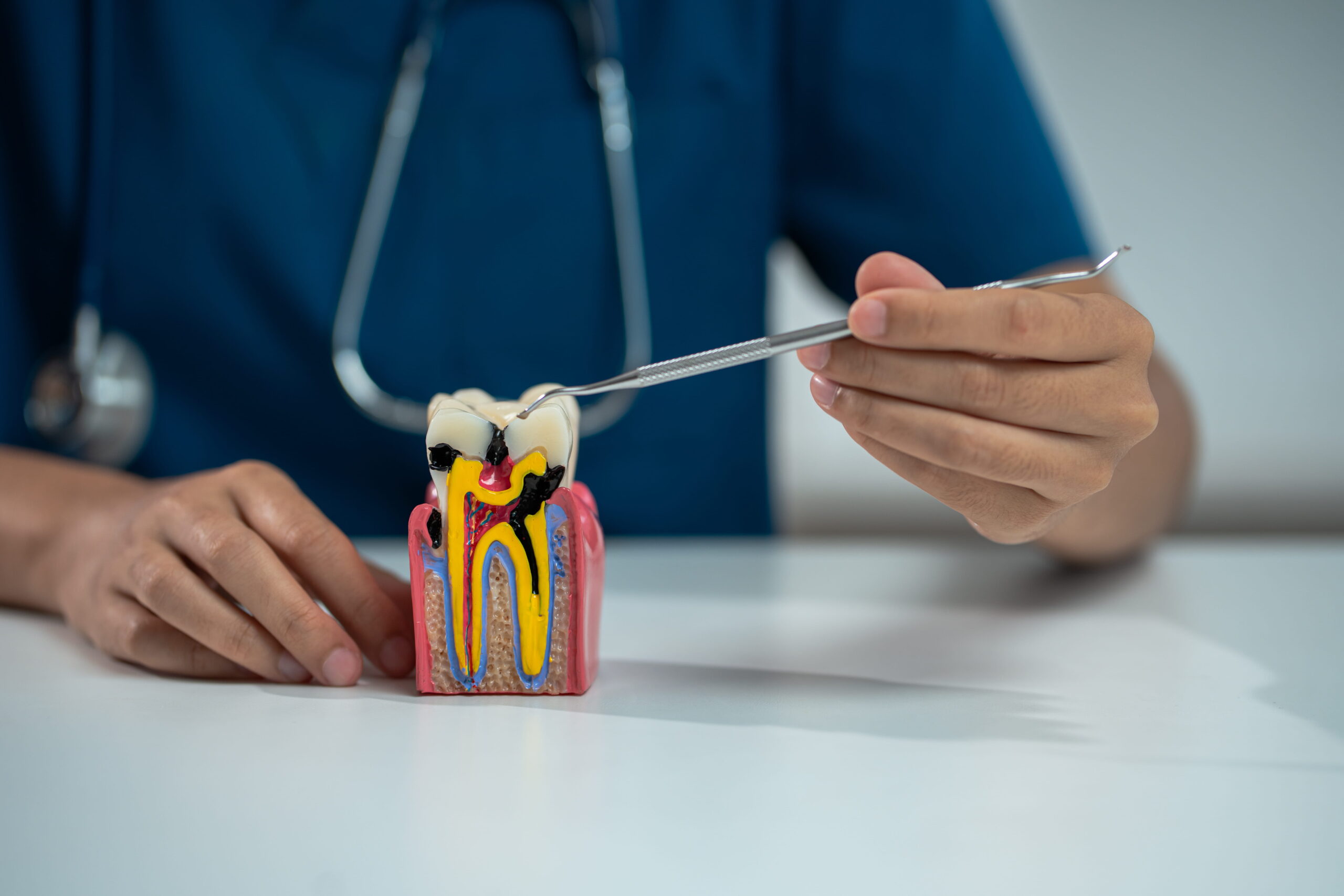
A Regenerative Endodontic Procedure is designed to encourage the development of new tissue inside the root canal system of an immature tooth.
The treatment is primarily intended for younger patients with teeth that have not completed root formation. When trauma or extensive decay causes the dental pulp to die, infection can develop and may be accompanied by symptoms such as tooth pain, swelling, or both.
The goal is to disinfect the affected canal and create conditions that allow stem cells located outside the root of an immature tooth to enter the canal. According to North Scottsdale Endodontics, this process can allow the root to continue developing.
This makes regenerative endodontics different from conventional root canal treatment, where the affected pulp is removed and the cleaned canal space is filled.
When Is a Regenerative Endodontic Procedure Needed?
Regenerative endodontic treatment is not appropriate for every tooth or every patient. The treatment is generally considered when a young patient has an immature tooth affected by trauma or pulpal infection.
Common situations include:
- Dental trauma: A fracture, dislodgement, or other dental injury can damage the pulp and eventually cause it to die.
- Pulpal infection: When the pulp of an immature tooth dies following trauma or decay, infection may develop.
- Pain or swelling: Infection associated with a compromised immature tooth may cause discomfort, swelling, or both.
- Incomplete root development: Regenerative treatment is particularly relevant when the tooth roots have not fully formed.
An endodontist first evaluates the tooth to determine the extent of damage and whether regenerative treatment is appropriate.
How Does a Regenerative Endodontic Procedure Work?
The exact treatment plan depends on the tooth’s condition and history, but North Scottsdale Endodontics describes the procedure in several stages.
1. Diagnosis and Evaluation
The endodontist begins with a clinical evaluation and X-rays to assess the tooth and determine the extent of pulp damage or infection. Diagnosis is important because treatment must be tailored to the condition of the affected tooth.
2. Local Anesthesia
Local anesthesia is administered before treatment to help keep the patient comfortable during the procedure.
3. Access to the Root Canal
An opening is made through the back of the tooth’s crown to reach the root canal system. This provides access for cleaning and disinfecting the canal.
4. Disinfection
The canal is cleaned and disinfected. Depending on the tooth’s history, particularly whether trauma is involved, the endodontist may place an antibiotic or calcium hydroxide inside the canal. A temporary filling is then placed.
5. Tissue Stimulation
After the appropriate period, the patient returns for the next stage. The temporary filling and medication are removed, and a blood clot is induced from stem cells located outside the root of the immature tooth.
This step is central to the regenerative approach because it creates an environment intended to encourage tissue development within the canal.
6. Sealing and Restoration
The access opening is sealed, and the tooth is restored with a filling or crown depending on the extent of the treatment.
7. Monitoring
Follow-up is important. The treated tooth is monitored to evaluate the regenerative process and its continued health.
What Are the Potential Benefits?
The primary objective of regenerative endodontics is to help preserve a young patient’s natural tooth while supporting continued root development.
Potential benefits described by North Scottsdale Endodontics include:
- Continued root development: Regenerative treatment can support further root growth when the tooth is immature.
- Tissue regeneration: The procedure is designed to encourage the development of dental tissue within the root canal system.
- Natural tooth preservation: Retaining the natural tooth can support normal eating, speech, and oral function.
- Tooth retention: Saving the natural tooth may help avoid extraction in appropriate cases.
- Restored function: Treating the underlying problem can help the tooth return to normal function.
However, patients and parents should understand that regenerative endodontics is a biological treatment. Individual outcomes depend on the condition of the tooth, the underlying problem, and how the tooth responds to treatment. Treatment and follow-up should therefore be based on an individual clinical evaluation.
Regenerative Endodontics vs. Conventional Root Canal Treatment
One of the easiest ways to understand regenerative treatment is to compare its purpose with conventional root canal therapy.
A traditional root canal is commonly used to clean and treat an infected or damaged root canal system. The canal is cleaned, disinfected, and sealed with a filling material.
Regenerative endodontics takes a different approach in selected immature teeth. Rather than focusing solely on cleaning and sealing the canal, the procedure is designed to encourage tissue regeneration and continued root development.
That distinction is particularly important for young patients whose permanent teeth have not completed root formation.
The appropriate treatment cannot be determined by age alone. An endodontic examination, clinical findings, and X-rays are needed to determine which treatment is suitable.
Why Root Development Matters in a Young Tooth
An immature permanent tooth has roots that are still developing. When severe trauma or infection affects the pulp before root formation is complete, the tooth may require specialized treatment.
Regenerative endodontics focuses on this specific situation by attempting to encourage continued development of the root.
For parents in Scottsdale, recognizing the importance of prompt evaluation after a child’s dental injury is important. Trauma can affect the pulp even when the visible damage to the tooth does not appear severe. If pain, swelling, or other concerns develop after an injury, an endodontic evaluation can help determine the condition of the tooth.
What Happens After Treatment?
Regenerative treatment does not end when the tooth is sealed. Monitoring is an important part of care.
North Scottsdale Endodontics recommends closely monitoring the treated tooth to assess the continued health of the tooth and the regenerative process. The tooth may ultimately require a filling or crown depending on the extent of the procedure.
Parents should follow the endodontist’s instructions and attend recommended follow-up appointments so that the treated tooth can be evaluated over time.
When Should You See an Endodontist?
A child or teenager should receive an evaluation when a permanent tooth has experienced significant trauma or when symptoms such as tooth pain or swelling develop in a tooth affected by decay or injury.
An endodontist can use clinical evaluation and X-rays to determine whether the pulp has been affected, whether the root is fully developed, and whether regenerative treatment is an appropriate option. North Scottsdale Endodontics provides endodontic and pediatric endodontic services in Scottsdale, including regenerative endodontic procedures.
For families looking for specialized evaluation in Scottsdale, North Scottsdale Endodontics is located at 8765 E Bell Rd #213, Scottsdale, AZ 85260.
Conclusion
A Regenerative Endodontic Procedure is a specialized treatment designed for selected young patients with immature teeth affected by trauma, decay, pulpal death, or infection. By disinfecting the root canal system and stimulating tissue development, the procedure aims to support continued root development and help preserve the natural tooth.
Because regenerative treatment is not appropriate for every dental condition, the first step is a professional evaluation. If your child has experienced dental trauma, tooth pain, or swelling involving an immature permanent tooth, a Scottsdale endodontist can evaluate the tooth and explain the available treatment options.