

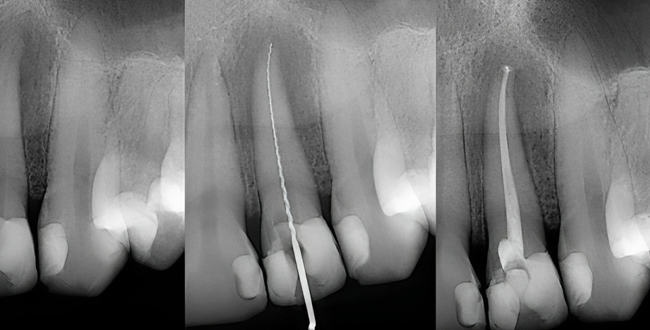
Understanding Regenerative Endodontic Procedures
Regenerative Endodontic Procedures are techniques designed to encourage the regeneration of dental tissues within a tooth’s root canal system. They are primarily aimed at younger patients whose dental pulp has died due to trauma or tooth decay, yet their roots are not fully formed. The goal in regenerative endodontics is to draw the stem cells that live outside the root in immature teeth, back into the canal, which allows for the root to continue to grow.
When Are Regenerative Endodontic PROCEDURES Necessary?
Regenerative endodontic procedures are typically considered when young patients face specific dental issues, such as:
- Trauma: Dental trauma or injuries, such as fractures or dislodgements, can negatively affect the pulp and ultimately may lead to its death.
- Pulpal Infection: When the dental pulp dies in an immature tooth due to decay or trauma, infection can arise and include pain, swelling or both.
The Process of Regenerative Endodontic Procedures
The process of regenerative endodontic procedures generally follows these key steps:
- Diagnosis: The endodontist assesses the patient's condition, typically using X-rays and clinical evaluation to determine the extent of pulp damage or infection.
- Local Anesthesia: Before beginning the procedure, local anesthesia is administered to ensure the patient's comfort.
- Access Opening: An opening is created on the back side of the tooth’s crown to access the root canal system. This allows the endodontist to clean and disinfect the inside of the canal space.
- Disinfection: Once the canal has been disinfected, the endodontist places either an antibiotic into the cleaned canal, or another medicament called calcium hydroxide into the canal, depending on the history of the tooth (trauma), and a temporary filling is placed.
- Tissue Stimulation: After the allotted time necessary, the patient returns, and the temporary filling and medicines are removed. A blood clot is induced from the stem cells outside.
- Sealing: The access opening is sealed, and the tooth is restored with a filling or crown, depending on the extent of the procedure.
- Monitoring: Patients are closely monitored to ensure the success of the regenerative process and the continued health of the tooth.
The Benefits of Regenerative Endodontic Procedures
Natural Pulp Preservation
The primary and most notable advantage of regenerative endodontic procedures is the preservation of a patient's natural dental pulp. Unlike traditional root canal treatments that involve the removal of the pulp, regenerative endodontics aim to save and restore this vital component of the tooth. This contributes to healthy oral development, speech, and overall dental well-being.
Tissue Regeneration
Regenerative endodontic procedures stimulate the regeneration of dental pulp and tissues within the tooth's root canal system. By promoting the growth of new, healthy tissue, these procedures ensure the longevity and health of the affected tooth. This regrowth process sets regenerative endodontics apart from conventional root canals, which involve filling the space with inert materials.
Root Development
In cases involving young patients with immature teeth, regenerative endodontic procedures support the continued development of tooth roots. This can be particularly valuable for individuals whose dental roots have not yet fully formed. The regenerative process encourages the growth of roots, contributing to the tooth's overall stability and health.
Preventing Tooth Loss
Regenerative endodontic procedures often save teeth that were once considered non-restorable. This preventive aspect of the treatment helps avoid tooth loss, which can lead to difficulties in speech, eating, and oral health. Retaining natural teeth is a key goal of regenerative endodontics.
Restoration of Functionality
Beyond saving the tooth itself, regenerative endodontic procedures focus on restoring the tooth's functionality. By addressing the underlying issues within the tooth, these procedures ensure that patients can eat, speak, and chew comfortably. Restored functionality is essential for maintaining a high quality of life.
Psychological Well-Being
Preserving a natural tooth significantly impacts a patient's psychological well-being. A patient's smile is a crucial part of their self-image, and maintaining it through regenerative endodontic procedures helps boost self-esteem and confidence. This positive emotional and psychological development is a substantial benefit of the treatment.
Regenerative endodontic procedures are a significant step forward in dental care, offering young patients the opportunity to retain their natural teeth and restore damaged or infected dental pulp. If you or your child are facing dental issues that fall within the scope of regenerative endodontics, consult with a dentist experienced in this field to explore the possibilities of this innovative treatment. By choosing regenerative endodontic procedures, you are not only preserving your dental health but also ensuring the longevity of your bright, healthy smile for years to come.