
Advanced Technology That Improves Root Canal Success Rates


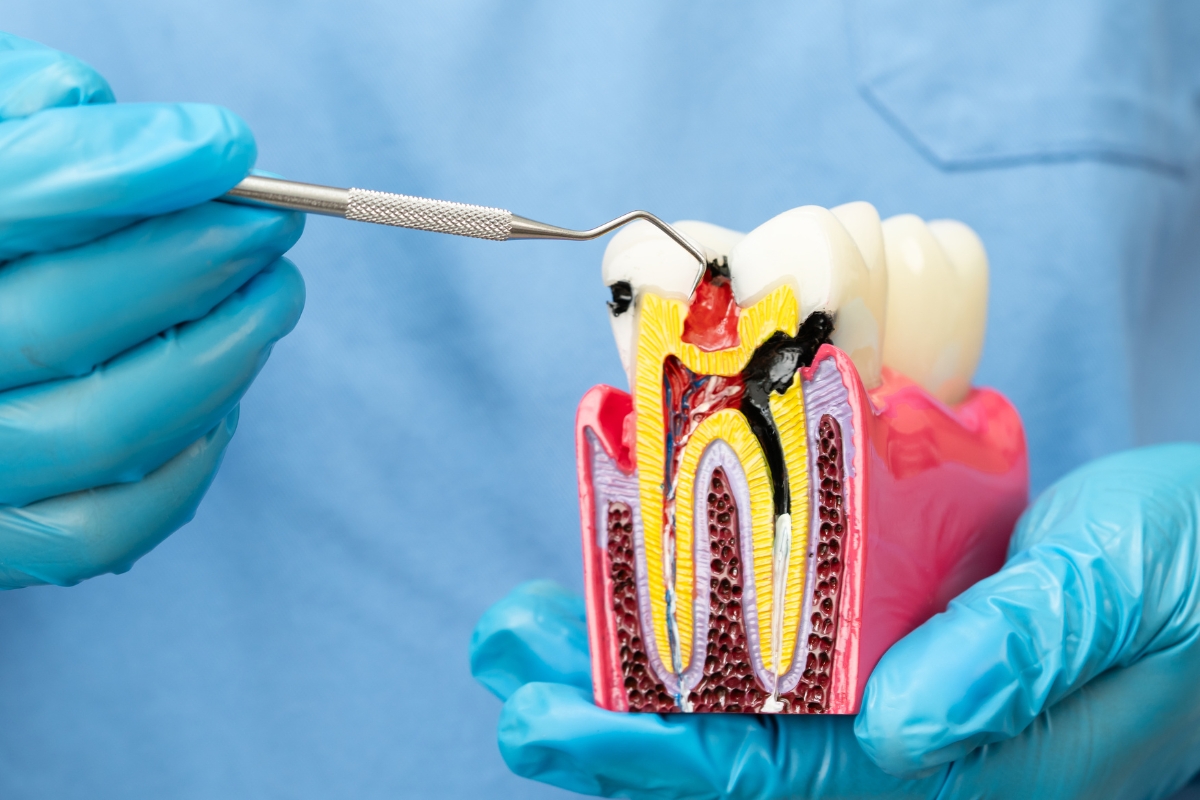
Most people still picture a root canal as something to dread. But if you have not visited a modern endodontic office recently, the experience you are imagining is a far cry from what actually happens today. Tools and techniques have changed in ways that make these procedures more accurate, more comfortable, and far more likely to succeed the first time around.
At North Scottsdale Endodontics patients often say they are surprised by how smooth the process feels. That is no accident. It comes down to the technology being used.
Why Technology Matters in Endodontics
A root canal treats the inside of a tooth by removing infected pulp, cleaning the canal, and sealing it properly. When something goes wrong, it is usually because a canal was missed, a crack was not detected, or the cleaning was not thorough enough. Better technology solves each of these problems.
“The difference between a good outcome and a failed one often comes down to what the endodontist can see, and how precisely they can act on it.”
When you search for an “endodontist near me“, you want someone who has more than just skill. You want someone who is using the tools that give your tooth the best possible chance.
Key Technologies That Are Changing Outcomes
Cone Beam CT Imaging (CBCT)
Provides a full 3D view of the tooth root and surrounding bone, revealing hidden canals and fractures a standard X-ray would miss.
Dental Operating Microscope
Magnifies the treatment area up to 25 times, giving the doctor a clear view of tiny canals and complex anatomy that cannot be seen with the naked eye.
Electronic Apex Locators
Measures canal length with pinpoint accuracy in real time, reducing reliance on multiple X-rays during the procedure.
Nickel-Titanium Rotary Files
Flexible, motor-driven instruments that follow the natural curve of a canal far more safely and efficiently than older stainless steel tools.
3D Imaging: Seeing the Full Picture
One of the biggest shifts in modern endodontics is the move to cone beam computed tomography (CBCT). This imaging system creates a three-dimensional view of the tooth, root, and surrounding jaw in a matter of seconds.
Why does that matter? Because some teeth have unusual root structures with extra canals that a flat X-ray simply cannot show. Infections can also spread in ways that a 2D image will not catch. With CBCT, nothing gets missed. Diagnosis is sharper, treatment planning is more precise, and surprises during the procedure are far less common.
According to the American Association of Endodontists, accurate imaging is a critical factor in successful root canal treatment, especially for back teeth with complex root systems.
Surgical Microscopes: Working With Clarity
Another tool that has genuinely transformed outcomes is the dental operating microscope. These are not simple magnifying lenses. They provide a bright, highly magnified view of the working area, often between 8x and 25x magnification.
This level of detail allows the endodontist to spot cracks in the root, locate canal openings that would otherwise be invisible, and place materials with far greater accuracy. Studies have consistently shown that microscope-assisted procedures have higher success rates and fewer retreatments.
What This Means for You as a Patient
A more accurate procedure means less guesswork, less chair time, and a much better chance that your tooth stays healthy for years to come. It also means a lower risk of needing retreatment down the road.
If you have been putting off a root canal because of past experiences or fear, it is worth knowing that the tools being used today are nothing like what existed even ten years ago. Finding a root canal near me that uses these technologies can genuinely make a difference in how the procedure feels and how well your tooth heals.
Nickel-Titanium Files and Precise Canal Cleaning
Older root canal files were made from stainless steel, which could break inside curved canals or struggle to clean tight spaces. Nickel-titanium (NiTi) rotary files are flexible enough to follow the natural shape of a canal without breaking or removing too much healthy tooth structure.
These files are driven by a small motor that controls the speed and torque, making the cleaning process more consistent and thorough. The result is a cleaner canal, a better seal, and a lower chance of reinfection.
Did You Know?
According to research published in the Journal of Endodontics via the National Library of Medicine, nickel-titanium rotary instruments significantly reduce procedural errors compared to manual stainless-steel filing, especially in curved root canals.
Electronic Apex Locators: Measuring With Precision
One of the more underappreciated tools in modern endodontics is the electronic apex locator. This small device measures how far the file travels inside the canal by reading electrical resistance at the root tip. It tells the doctor exactly where the end of the canal is, in real time.
Without this tool, the endodontist would rely on X-rays taken during the procedure to estimate length. With it, the measurement is nearly instant and highly accurate. That means the canal gets fully cleaned without going too far or leaving any infected tissue behind.
Biocompatible Filling Materials
Sealing the canal properly after cleaning is just as important as the cleaning itself. Modern endodontics uses biocompatible materials like thermoplastic gutta-percha, which flows into every space and creates a tight seal that resists bacterial entry over time.
Some offices also use bioceramic sealers that bond to the canal walls and release calcium hydroxide, which actually supports healing in the surrounding tissue. These materials are a major step up from older paste-based sealers that could shrink or break down over time.
Finding the Right Care in Scottsdale
Technology is only part of the equation. The endodontist using it matters just as much. When you search for an endodontist near me, you want someone trained in using these tools, not just someone who has them in the office.
At North Scottsdale Endodontics, every procedure is approached with both precision and care. The goal is always to save your natural tooth, because no artificial replacement works quite like the real thing.
Frequently Asked Questions
How do I know if my endodontist is using advanced technology?
Ask about their imaging system, whether they use a dental microscope, and what type of files they use. A good office will be happy to walk you through their equipment and process.
Does modern root canal treatment still hurt?
Most patients report feeling pressure rather than pain during the procedure. With better anesthetics and precise instruments, discomfort during treatment is much less common than people expect.
What is the success rate of a root canal with advanced technology?
When performed by a skilled endodontist using modern tools, success rates are typically above 90 percent. CBCT imaging and microscopes have pushed that number even higher in complex cases.
How long does a root canal take with newer technology?
Many single-canal procedures can be completed in under an hour. More complex cases may take longer, but rotary files and precise imaging often reduce overall chair time compared to older methods.
Is CBCT imaging safe for patients?
Yes. CBCT delivers a very low radiation dose, often less than a set of full-mouth dental X-rays. It is used only when the detail it provides is needed for an accurate diagnosis.
Can technology help with a failed root canal that needs retreatment?
Absolutely. CBCT imaging can identify exactly why a previous treatment failed, whether it was a missed canal, a crack, or a poor seal, so the retreatment can target the real problem.
When should I search for a root canal near me?
If you have a persistent toothache, sensitivity to heat or cold that lingers, or swelling near a tooth, those are signs you should get evaluated promptly. Early treatment typically leads to better outcomes.
Conclusion
Root canal treatment today is not what it used to be. With 3D imaging, surgical microscopes, flexible rotary files, and real-time canal measurement, the procedure is more accurate, more comfortable, and more successful than ever before.
If you are dealing with tooth pain or have been told you need a root canal, do not wait. The right care can save your tooth and protect your long-term oral health. Whether you are ready to book or just have questions, we encourage you to schedule a consultation with a specialist who uses modern technology to get it right the first time.
You can also start by choosing to contact a local dental office in Scottsdale to ask about your options. When you are searching for a root canal near me, make sure the practice you choose has the tools and training to back up their care.