
Signs of a Failed Root Canal: How to Know If Treatment Isn’t Working


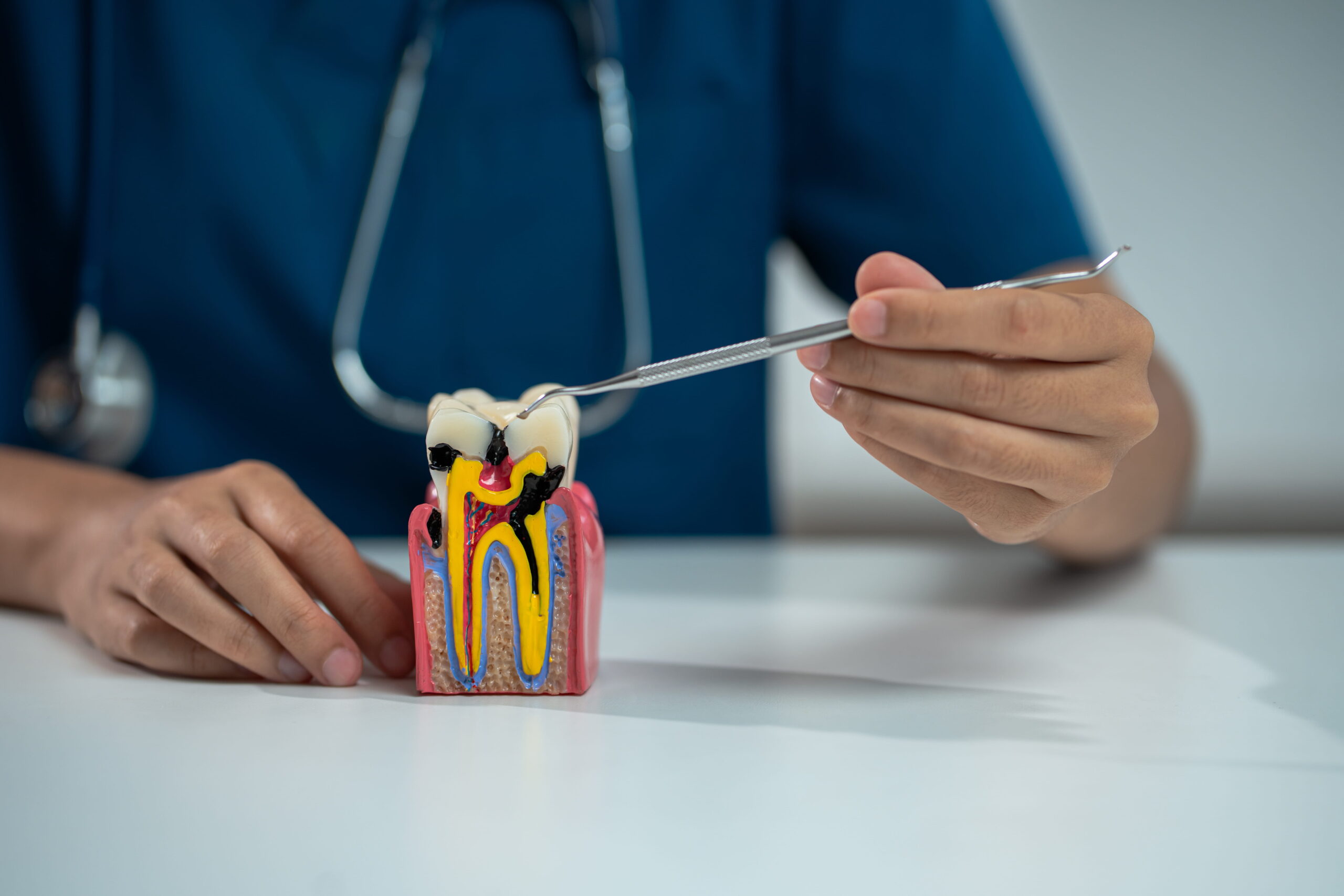
A root canal treats infection inside a tooth by removing damaged pulp and sealing the canal system. Most root canals succeed long-term, but failure can still occur months or years after treatment. Recognizing the signs of a failed root canal early allows North Scottsdale Endodontics to intervene before the tooth requires extraction.
What does a failed root canal feel like?
A failed root canal typically feels like persistent or returning pain, pressure, or tenderness in the treated tooth, especially when chewing or applying pressure. Some patients also notice dull aching that comes and goes over weeks or months. This differs from normal post-treatment sensitivity, which usually resolves within a few days to two weeks.
What are the main signs of a failed root canal?
The main signs of a failed root canal include lingering pain, swelling, gum tenderness, a recurring pimple-like bump on the gums, and tooth discoloration. These symptoms can appear individually or together, and they may develop gradually rather than all at once.
Common indicators include:
- Persistent pain — discomfort that continues or worsens instead of fading after the initial healing period.
- Swelling — inflammation in the gum tissue or face near the treated tooth.
- Sinus tract (gum boil) — a recurring bump on the gum that may drain fluid, indicating active infection.
- Sensitivity to temperature or pressure — pain when biting, chewing, or exposed to hot and cold.
- Discoloration — the tooth darkens as internal tissue breaks down.
- Tenderness to touch — soreness when the tooth or surrounding gum is pressed.
How soon after a root canal can failure occur?
Root canal failure can occur weeks, months, or years after the original procedure. Early failure, within the first few months, often results from missed canals, incomplete cleaning, or contamination during treatment. Late failure, which can appear years later, is more often linked to new decay, a cracked tooth, or a breakdown in the crown or filling seal that allows bacteria to re-enter.
What causes tooth pain after a root canal?
Tooth pain after a root canal is most often caused by residual infection, an untreated canal, a new crack, or a compromised restoration. According to the American Association of Endodontists, root canal treatment has a long-term success rate that allows most teeth to last a lifetime, but reinfection remains a recognized risk.
Specific causes of failed root canal symptoms include:
| Cause | Description |
|---|---|
| Missed or curved canal | Complex root anatomy can leave infected tissue behind. |
| Delayed restoration | A tooth left without a permanent crown or filling can allow bacteria back into the canal. |
| New decay | Cavities forming near the original access point expose the canal system again. |
| Cracked tooth | Fractures allow bacteria to bypass the seal, regardless of a successful initial treatment. |
| Salivary contamination | Saliva entering the canal during or after treatment can reintroduce bacteria. |
What is reinfection after a root canal?
Reinfection after a root canal happens when bacteria re-enter the cleaned and sealed canal system, restarting the infection process. This can occur through a cracked tooth, a leaking crown margin, or new decay that reaches the canal. Reinfection is diagnosed through clinical examination and radiographs, not symptoms alone, since some reinfected teeth remain asymptomatic for a period before pain develops.
How is a failing root canal diagnosed?
A failing root canal is diagnosed through a clinical exam, patient symptom history, and radiographic imaging, such as a cone-beam CT scan. Diagnosis at North Scottsdale Endodontics may also include percussion testing, palpation, and evaluation of the existing restoration to identify the specific cause of failure before recommending treatment.
What happens if a failed root canal is left untreated?
An untreated failed root canal can lead to spreading infection, bone loss around the root tip, abscess formation, and eventual tooth loss. Infection that is not addressed can also extend into surrounding tissue, increasing treatment complexity and cost over time.
What are the treatment options for a failed root canal?
Treatment options for a failed root canal include nonsurgical retreatment, apical microsurgery, or extraction if the tooth cannot be saved. The right option depends on the cause of failure, the tooth’s remaining structure, and the extent of infection.
- Retreatment — the existing filling material is removed, the canal system is recleaned and resealed.
- Apical microsurgery — a minor surgical procedure that treats infection at the root tip when retreatment isn’t sufficient.
- Extraction — considered only when the tooth cannot be structurally or biologically preserved.
When should you see an endodontist about a failed root canal?
You should see an endodontist as soon as you notice pain, swelling, or a recurring gum bump near a previously treated tooth. Waiting allows infection to progress and can reduce the range of treatment options available. North Scottsdale Endodontics offers same-day emergency evaluation for patients experiencing active pain or swelling.
If you’re noticing any of these signs of a failed root canal, prompt evaluation protects both the tooth and the surrounding bone. Dr. Susan Wood, Dr. Thomas McClammy, and Dr. Brandi Molina use cone-beam imaging and operating microscopes to identify the exact cause of failure and determine whether retreatment or apical microsurgery is the appropriate next step. Contact North Scottsdale Endodontics or find the office on Google Maps to schedule a consultation.
FAQs
Can a root canal fail years later?
Yes, a root canal can fail years later due to new decay, a cracked tooth, or a compromised crown seal that allows bacteria to re-enter.
Is pain always present when a root canal fails?
No, some failed root canals remain asymptomatic and are only detected through routine dental X-rays.
Does a failed root canal always mean the tooth must be extracted?
No, many failed root canals can be treated with nonsurgical retreatment or apical microsurgery instead of extraction.
How long does root canal retreatment take?
Retreatment is typically completed in one to two appointments, depending on canal complexity.
Is a failed root canal an emergency?
A failed root canal with swelling, fever, or spreading pain should be treated as a dental emergency requiring same-day evaluation.