How Digital X-Rays and Radiography Improve Root Canal Accuracy


If you’ve been told you need a root canal in Scottsdale, you might feel anxious about the procedure. The good news? Modern digital X-ray technology has transformed how endodontists diagnose and treat dental problems, making root canal treatment in Scottsdale safer, more precise, and more comfortable than ever before.
At North Scottsdale Endodontics, we use advanced digital radiography to ensure your root canal procedure is as accurate and successful as possible. Let’s explore how this technology makes a real difference in your care.
What Are Digital X-Rays?
Digital X-rays are a modern alternative to traditional film X-rays. Instead of using photographic film, digital radiography captures images electronically and displays them instantly on a computer screen. Think of it like the difference between an old film camera and your smartphone. The digital version is faster, clearer, and gives your endodontist more tools to work with.
According to the American Dental Association, digital radiography has become the standard of care in modern dentistry due to its superior diagnostic capabilities and safety profile.
For patients seeking root canal treatment in Scottsdale, this means your dentist can see problems more clearly and plan your treatment with greater precision.
The Role of Digital Radiography in Root Canal Success
1. Detecting Hidden Infections Before They Spread
One of the biggest challenges in endodontics is finding infections that hide beneath the surface. Traditional X-rays sometimes miss early-stage infections or abscesses that don’t show up clearly on film.
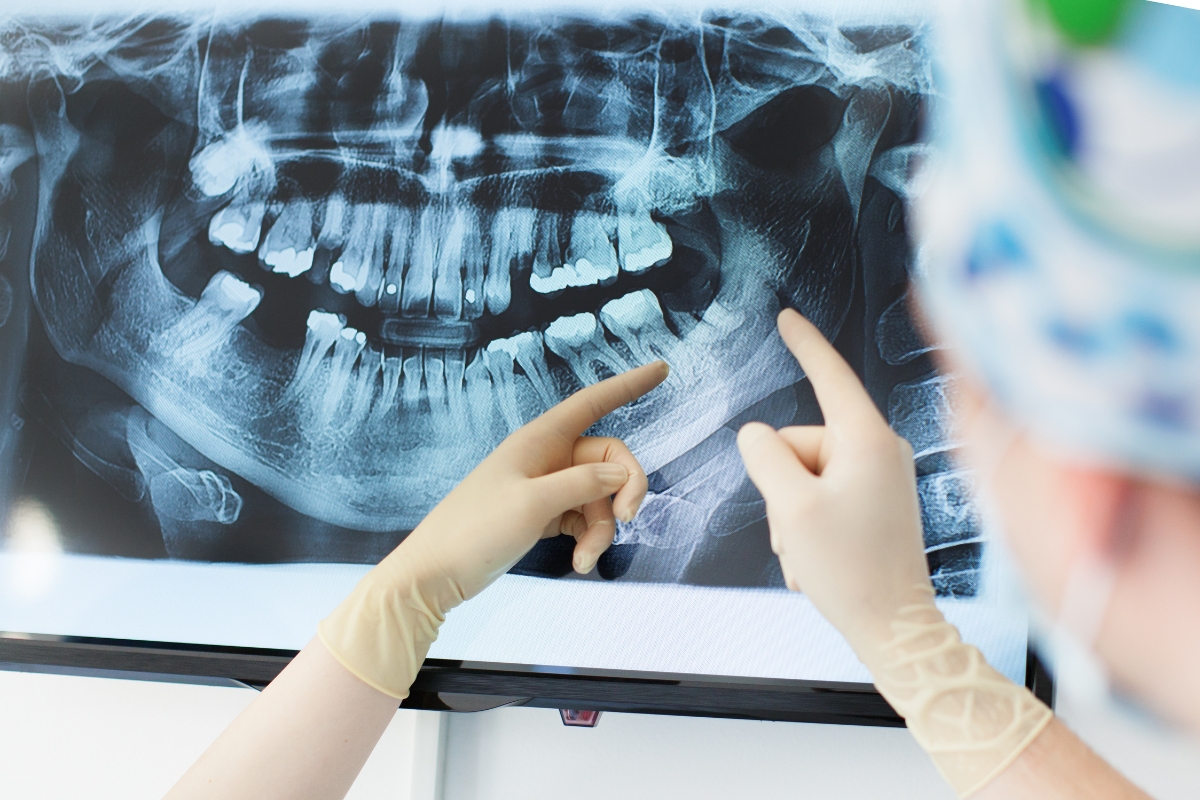
Digital X-rays offer superior image quality with adjustable contrast and brightness. Your endodontist can zoom in on specific areas, enhance the image, and spot infections that might otherwise go unnoticed. This early detection means we can treat problems before they cause severe pain or require more extensive procedures.
The American Association of Endodontists confirms that advanced imaging technology has significantly improved the success rates of root canal procedures by enabling earlier and more accurate diagnosis.
For residents looking for a root canal in Scottsdale, this technology means fewer surprises and better outcomes.
2. Mapping Complex Root Anatomy
No two teeth are exactly alike. Some teeth have curved roots, extra canals, or unusual anatomy that makes treatment challenging. Missing even one canal during a root canal procedure can lead to treatment failure and continued infection.
Digital radiography allows endodontists to see the complete internal structure of your tooth. We can identify:
- The exact number of root canals in your tooth
- The shape and curvature of each canal
- Any unusual branching or splitting
- The depth and angle of each root
This detailed roadmap ensures that every part of the infected tooth gets properly cleaned and sealed during your root canal treatment in Scottsdale.
Research published by the National Institutes of Health demonstrates that digital imaging helps identify complex root canal systems that would be difficult to detect with conventional radiography.
3. Spotting Tiny Fractures and Cracks
Tooth fractures can be nearly impossible to see with the naked eye or traditional X-rays. These hairline cracks often cause pain and infection but remain hidden during standard examinations.
Digital X-rays reveal these microscopic fractures with much greater clarity. Your endodontist can determine whether a crack extends into the root, which helps decide if a root canal will solve the problem or if other treatment is needed.
4. Measuring Root Lengths with Precision
Getting the measurements right matters in root canal therapy. The filling material needs to extend to the exact end of the root, not too short and not too long. Even a millimeter off can affect the success of your treatment.
Digital radiography provides extremely accurate measurements. Your endodontist can use specialized software to measure root lengths down to fractions of a millimeter, ensuring the canal is cleaned and filled properly from top to bottom.
5. Real-Time Guidance During Treatment
During your root canal procedure, your endodontist may need to take additional X-rays to check their progress. Digital X-rays appear on the screen within seconds, while traditional film can take several minutes to develop.
This instant feedback allows your doctor to:
- Verify that instruments are positioned correctly
- Confirm that all infected tissue has been removed
- Check that filling materials are placed accurately
- Make immediate adjustments if needed
This real-time guidance makes your procedure more efficient and increases the likelihood of long-term success.
6. Reducing Your Radiation Exposure
Many patients worry about radiation from X-rays, and that concern is valid. Here’s the great news: digital X-rays use up to 90% less radiation than traditional film X-rays.
To put this in perspective, a digital dental X-ray exposes you to about the same amount of radiation you’d get from a few hours of everyday background radiation or a short airplane flight. The FDA provides detailed information on dental X-ray safety and confirms that digital systems significantly reduce patient radiation exposure.
For patients getting a root canal in Scottsdale, this means you can have the diagnostic images you need with minimal radiation exposure.
How Digital X-Rays Improve Your Experience
Beyond the technical benefits, digital radiography makes your visit to North Scottsdale Endodontics more comfortable and convenient:
Faster Appointments: No waiting for films to develop means less time in the dental chair.
Better Communication: Your endodontist can show you the images on a large screen, helping you understand exactly what’s happening with your tooth.
Easier Storage: Your X-rays are stored electronically, making them simple to share with your general dentist or access during future visits.
Environmentally Friendly: Digital X-rays eliminate the need for chemical processing and film disposal, as noted by the Environmental Protection Agency in their guidance on reducing dental office waste.
What to Expect During Your Visit
When you come to North Scottsdale Endodontics for root canal treatment in Scottsdale, digital X-rays are typically one of the first steps. The process is quick and painless:
- A small sensor is positioned in your mouth near the tooth
- The X-ray machine takes the image (this takes just seconds)
- The image appears instantly on the computer screen
- Your endodontist reviews the images and discusses findings with you
Your doctor will use these images to create a personalized treatment plan tailored to your specific dental anatomy and needs.
According to WebMD’s dental health section, understanding your dental images and treatment plan helps reduce anxiety and improves treatment outcomes.
Patient Testimonial
“I highly recommend North Scottsdale Endodontics. Dr. Wood and her team make you feel comfortable and relaxed the whole time during your exam and procedure. Glad they are taking care of me!” – M Moreno, Scottsdale, AZ
Trust the Experts at North Scottsdale Endodontics
When you need a root canal in Scottsdale, choosing an endodontist who uses advanced technology makes all the difference. Digital X-rays are just one of the many tools we use to provide the highest quality care.
Our team specializes exclusively in root canal therapy and other endodontic procedures. We combine state-of-the-art technology with years of specialized training to give you the best possible outcome.
The American Association of Endodontists recommends seeking care from board-certified endodontists who use advanced diagnostic technology for the best treatment results.
Ready to schedule your consultation? Contact North Scottsdale Endodontics today. We’ll use our advanced digital radiography to diagnose your tooth accurately and develop a treatment plan that saves your natural tooth and relieves your pain.
Don’t let dental pain control your life. Call us or visit our website to book your appointment for expert root canal treatment in Scottsdale.
Frequently Asked Questions
Q: Are digital X-rays safe during pregnancy?
A: While digital X-rays use minimal radiation, we recommend informing your endodontist if you’re pregnant. In most cases, necessary dental X-rays can be safely performed with proper shielding, but your doctor will work with your physician to determine the best timing for your specific situation. The American College of Obstetricians and Gynecologists provides guidelines on dental care during pregnancy.
Q: How often will I need X-rays during root canal treatment?
A: Typically, you’ll need X-rays before treatment to diagnose the problem, possibly during the procedure to check progress, and after treatment to confirm success. Your endodontist will only take X-rays when medically necessary.
Q: Can digital X-rays detect all dental problems?
A: Digital X-rays are excellent for detecting most dental issues, including infections, fractures, and anatomical variations. However, some conditions may require additional imaging like CBCT scans (3D X-rays) for a complete diagnosis. Your endodontist will recommend the appropriate imaging for your case.
Q: Do digital X-rays cost more than traditional X-rays?
A: The cost is typically comparable to traditional X-rays. Many dental insurance plans cover diagnostic X-rays as part of your root canal treatment. Our office will provide a clear estimate before your procedure.
Q: How long do digital X-rays take?
A: The actual X-ray exposure takes just a few seconds. Including positioning and reviewing the images, the entire process usually takes less than five minutes.
Q: What’s the difference between regular dental X-rays and the ones used for root canals?
A: Endodontists often use periapical X-rays, which show the entire tooth from crown to root tip. These provide more detail of the root structure than bite-wing X-rays used during routine dental checkups. We may also use CBCT 3D imaging for complex cases. Cleveland Clinic offers additional information on different types of dental X-rays.
Q: Can I get a copy of my digital X-rays?
A: Absolutely. Digital X-rays can be easily copied to a CD, emailed securely, or sent directly to your general dentist. Just let our office know if you need your images shared.
Q: Will I feel anything during the X-ray?
A: No, taking an X-ray is completely painless. You’ll simply need to hold still for a few seconds while the image is captured. The sensor placed in your mouth may feel slightly bulky but doesn’t cause discomfort.
North Scottsdale Endodontics is your trusted partner for specialized root canal care in Scottsdale, AZ. Using the latest digital technology and proven techniques, we’re committed to saving your natural teeth and providing a comfortable, stress-free experience. Contact us today to learn more about how we can help you achieve optimal oral health. For more information about endodontic care and what to expect during your visit, visit the American Association of Endodontists patient education center or the Mayo Clinic’s guide to root canals.